Unpacking Kim Jee-woon's Net Worth: A Master Filmmaker's Financial Success
Kim Jee-woon stands as one of South Korea's most celebrated and innovative filmmakers, a director whose distinctive vision has captivated audiences worldwide. From chilling psychological thrillers to high-octane action and darkly comedic narratives, his filmography is a testament to his versatility and unparalleled storytelling prowess. As with any figure of his stature in the entertainment industry, curiosity often turns to their financial success. When discussing
kim jee woon net worth, figures vary across different analyses, reflecting the dynamic nature of wealth estimation for public figures. However, widely cited reports, including projections for 2025, place his estimated net worth at an impressive
$15 million. This figure not only underscores his artistic achievements but also his significant commercial impact in both the domestic Korean market and on the international stage.
This article delves into the career trajectory, signature style, and strategic decisions that have collectively contributed to Kim Jee-woon's substantial wealth. We'll explore the milestones that have defined his journey from a theater director to a globally recognized cinematic auteur, examining how each project has added to his legacy and, consequently, his financial portfolio. For a broader overview of his financial journey, you can refer to
kim jee woon net worth - Article 1.
From Stage to Screen: The Genesis of a Cinematic Visionary
Born in Seoul, South Korea, in 1964, Kim Jee-woon initially honed his directorial skills in the vibrant world of theater. This foundational experience undoubtedly shaped his understanding of narrative, character development, and visual composition, skills he would seamlessly translate to the big screen. His official foray into feature filmmaking began in 1998 with "The Quiet Family," a darkly comedic horror film that immediately announced his arrival as a fresh and audacious voice in Korean cinema. The film, which cleverly weaves together elements of horror, comedy, and an almost absurd sense of fatalism concerning suicides at a family-run mountain inn, garnered significant critical acclaim. It earned him early accolades, including Best Director and Best Film honors at the Malaga International Week of Fantastic Cinema, signaling the start of a promising career and laying the groundwork for his future financial gains.
His subsequent efforts continued to solidify his reputation for genre-bending excellence. In 2000, "The Foul King," starring the legendary Song Kang-ho, showcased his ability to blend poignant drama with slapstick comedy, earning him Best Director at the 2001 Milan International Film Festival. These early successes were crucial in building his brand, allowing him to command higher fees for subsequent projects and attract top-tier talent.
A Filmography That Defines Excellence and Contributes to Net Worth
Kim Jee-woon's filmography is a rich tapestry of diverse genres, each executed with his distinctive flair and meticulous attention to detail. It is through these acclaimed works that a significant portion of his
kim jee woon net worth has been amassed.
*
"A Tale of Two Sisters" (2003): This psychological horror film is often cited as a masterpiece of the genre, known for its intricate plot, stunning cinematography, and deeply unsettling atmosphere. Its critical and commercial success further elevated Kim's standing as a master storyteller capable of profound psychological exploration.
*
"A Bittersweet Life" (2005): A stylish, neo-noir action film that displayed his adeptness with intense action sequences and complex character arcs, featuring Lee Byung-hun. The film received widespread international praise, boosting his global profile.
*
"The Good, the Bad, the Weird" (2008): An epic, action-packed "Oriental Western" that reteamed him with Song Kang-ho and Lee Byung-hun. This blockbuster was a major commercial success, garnering massive box office receipts and significantly contributing to his earnings through director fees and potential backend deals. Its global distribution introduced his work to an even broader audience.
*
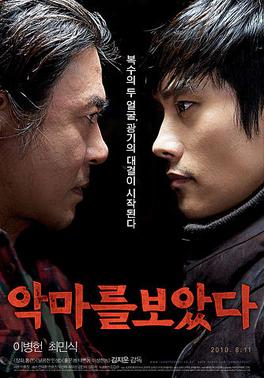
"I Saw the Devil" (2010): A brutal and intensely dark thriller starring Choi Min-sik and Lee Byung-hun. While controversial for its graphic content, the film was lauded for its powerful performances and unflinching narrative, further cementing his reputation as a director unafraid to tackle challenging themes.
*
"The Last Stand" (2013): Marking his Hollywood directorial debut, this action film starring Arnold Schwarzenegger was a significant step in his international career. Venturing into the global market not only offered new revenue streams but also enhanced his bargaining power for future projects.
Beyond feature films, Kim Jee-woon has also penned and directed a variety of critically praised short films, including "Coming Out," "60 Seconds of Solitude in Year Zero," segments in "Doomsday Book," "Three," and "The X." This consistent output across different formats highlights his unwavering creative drive and diverse artistic interests, each project adding to his overall artistic and financial portfolio.
The Power of Collaboration and Artistic Vision in Wealth Accumulation
A notable aspect of Kim Jee-woon's success, and a factor contributing to his stable career and robust
kim jee woon net worth, is his strategic and frequent collaboration with talented actors. This consistency fosters a strong working relationship and often results in powerful performances that elevate his films.
*
Song Kang-ho: One of South Korea's most respected actors, Song Kang-ho has appeared in four of Kim's feature films: "The Quiet Family," "The Foul King," "The Good, the Bad, the Weird," and "I Saw the Devil." Their repeated collaborations are a testament to their mutual understanding and ability to consistently deliver high-quality cinema.
*
Lee Byung-hun: A global star, Lee Byung-hun has featured in three of Kim's movies, including "A Bittersweet Life," "The Good, the Bad, the Weird," and "I Saw the Devil."
*
Choi Min-sik and Go Ho-kyung: Both acclaimed actors have appeared in two of his projects, further highlighting his preference for working with a trusted ensemble.
These long-standing partnerships not only streamline the production process but also create a recognizable brand for Kim Jee-woon's films, attracting audiences and investors alike. The ability to consistently draw top-tier talent speaks volumes about his reputation and the quality of his scripts and direction. For more insights into the influences on his financial success, check out
kim jee woon net worth - Article 2.
His unique cinematic style—characterized by genre-bending narratives, visually striking cinematography, psychological depth, and a masterful command of tension—has resonated deeply with both critics and audiences. This distinct artistic voice is not just a creative triumph but also a significant commercial asset. Directors with a clear, marketable style often command higher fees and attract larger project budgets, directly impacting their net worth.
Insights into Sustainable Success and Financial Growth
Kim Jee-woon's career offers valuable insights into achieving sustainable success in a highly competitive industry. His estimated
$15 million net worth is not merely a reflection of individual film earnings but a culmination of several factors:
1.
Consistent Quality and Innovation: He consistently pushes boundaries and delivers high-quality content across diverse genres, keeping his work fresh and relevant.
2.
Strategic Collaborations: Building strong relationships with talented actors and crew members creates a reliable network and enhances the overall output of his projects.
3.
Dual Role as Writer and Director: By often writing his own screenplays, Kim Jee-woon earns a double income stream and maintains greater creative control over his vision, which can lead to more impactful and successful films.
4.
International Reach: Expanding his presence to Hollywood and gaining global distribution for his Korean films has significantly broadened his audience and revenue potential.
5.
Adaptability: His willingness to experiment with different genres, from horror to action to Westerns, showcases an adaptability that keeps his career dynamic and financially robust.
These elements collectively illustrate a career built on artistic integrity, strategic decision-making, and a keen understanding of both creative and commercial aspects of filmmaking.
Conclusion: The Enduring Legacy and Financial Footprint of Kim Jee-woon
Kim Jee-woon's journey from a nascent theater director to a globally revered cinematic master is a testament to his unwavering vision, relentless dedication, and exceptional talent. His filmography, marked by critical acclaim and commercial success, has not only enriched the landscape of South Korean cinema but has also earned him a prominent place on the international stage. The estimated
kim jee woon net worth of $15 million reflects a career built on daring storytelling, masterful execution, and strategic collaborations. As he continues to create compelling narratives, his influence on filmmaking and his financial legacy are sure to endure, cementing his status as one of the most significant directors of his generation.