Unveiling the Financial Journey of a Cinematic Maestro: Kim Jee-woon's Net Worth
In the dynamic world of international cinema, few names resonate with the unique blend of genre mastery and visual flair quite like Kim Jee-woon. This South Korean director and screenwriter has carved out a formidable reputation for crafting films that defy easy categorization, oscillating brilliantly between chilling horror, dark comedy, gritty thrillers, and stylish action. As fans and industry observers alike delve into the careers of such celebrated figures, a common question arises: what is the extent of their financial success? Specifically, the question of kim jee woon net worth is a topic of significant interest, reflecting not just personal wealth but also the immense commercial and critical impact of his groundbreaking work.
While precise figures for public personalities can often vary due to the complexities of earnings, investments, and private financial dealings, various estimations place Kim Jee-woon's net worth in a significant range. Widely cited figures suggest a net worth around $15 million. However, some more recent analyses, updated in late 2023, propose a figure closer to $5 million. This discrepancy is not uncommon for individuals whose income streams are diverse and involve ongoing projects, royalties, and varying valuations. Regardless of the exact number, both estimates firmly establish him as a highly successful and financially secure figure within the global film industry, a testament to his consistent output of critically acclaimed and commercially viable projects over decades.
From Seoul's Stages to Global Screens: The Ascent of a Visionary Director
Born in 1964 in the vibrant metropolis of Seoul, South Korea, Kim Jee-woon's creative journey began not in front of a camera, but on the stage. His early forays into theater provided a foundational understanding of storytelling, character development, and performance that would later become hallmarks of his cinematic vision. This theatrical background imbued his films with a unique sense of dramatic pacing and an ability to draw nuanced performances from his actors.
His transition to the big screen marked the beginning of an era of innovative filmmaking. Kim Jee-woon made his feature film debut as both writer and director with the 1998 release of "The Quiet Family." This darkly comedic horror film, centered on a family whose remote inn becomes a magnet for bizarre suicides, immediately showcased his talent for blending disparate genres. "The Quiet Family" was not merely a debut; it was a statement, earning critical acclaim and several awards, including Best Director and Best Film at the Malaga International Week of Fantastic Cinema. This early success set a powerful precedent for a career defined by bold creative choices and international recognition.
Following this strong start, Kim Jee-woon continued to build his filmography with diverse and impactful projects. His 2000 film, "The Foul King," starring the legendary Song Kang-ho, further solidified his reputation. This wrestling comedy-drama garnered him Best Director honors at the 2001 Milan International Film Festival, demonstrating his versatility and consistent ability to captivate audiences and critics alike.
A Tapestry of Genres: Kim Jee-woon's Diverse Filmography
The hallmark of Kim Jee-woon's career is undoubtedly his remarkable ability to navigate and often redefine genres. His filmography reads like a masterclass in cinematic exploration, with each project pushing boundaries and leaving an indelible mark:
- "A Tale of Two Sisters" (2003): A psychological horror masterpiece that garnered international attention for its intricate plot, stunning visuals, and deeply unsettling atmosphere. It became the highest-grossing Korean horror film at the time and cemented his status as a formidable talent.
- "A Bittersweet Life" (2005): A stylish and melancholic neo-noir action film that showcased his prowess in crafting visually striking action sequences alongside a poignant narrative.
- "The Good, the Bad, the Weird" (2008): A sprawling, action-packed "Kimchi Western" that paid homage to Sergio Leone while injecting a unique Korean flavor. It premiered at Cannes and was a massive box office hit, demonstrating his ambition and ability to handle large-scale productions.
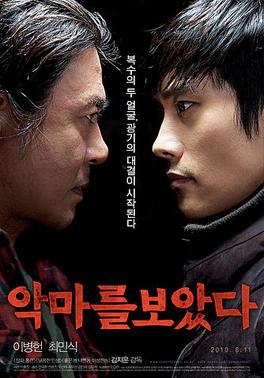
- "I Saw the Devil" (2010): A controversial yet critically lauded extreme thriller that delves into the darkest corners of revenge and human depravity. Starring frequent collaborators Lee Byung-hun and Choi Min-sik, it's a testament to his unflinching storytelling.
- "The Last Stand" (2013): Kim Jee-woon's venture into Hollywood, directing Arnold Schwarzenegger in an action-packed spectacle. This move represented a significant step, proving his ability to helm big-budget international productions and expanding his global appeal, undoubtedly contributing to his overall financial standing.
Beyond his feature films, he has also written and directed a variety of acclaimed short films, including "Coming Out," "60 Seconds of Solitude in Year Zero," segments in "Doomsday Book," "Three," and "The X." These shorter works demonstrate his continuous creative output and willingness to experiment with different narratives and formats.
The Power of Collaboration: Kim Jee-woon's Recurring Ensemble
A distinctive aspect of Kim Jee-woon's directorial approach is his frequent collaboration with a select group of talented actors. This consistency fosters a deep understanding between director and performer, often leading to some of their most memorable work. Strong working relationships can lead to more efficient productions, enhanced creative synergy, and ultimately, more successful films that bolster a director's reputation and earning potential.
- Song Kang-ho: One of South Korea's most revered actors, he has appeared in four of Kim Jee-woon's feature films: "The Quiet Family," "The Foul King," "The Good, the Bad, the Weird," and "I Saw the Devil." Their partnership is a prime example of a director finding his muse.
- Lee Byung-hun: Another global star, Lee Byung-hun has featured in three of Kim's projects, showcasing his incredible range.
- Choi Min-sik and Go Ho-kyung: Both actors have appeared in two of his films, further illustrating Kim Jee-woon's preference for working with a trusted ensemble.
Factors Contributing to a Renowned Filmmaker's Wealth
Understanding kim jee woon net worth requires an appreciation for the multifaceted income streams available to a successful director and screenwriter in the film industry. A director's wealth is rarely a single, static figure; it's a dynamic accumulation influenced by various factors:
- Directorial Fees: For established directors like Kim Jee-woon, fees for helming a feature film can range from hundreds of thousands to several million dollars, especially for major studio productions or international ventures like "The Last Stand."
- Screenwriting Credits: As he often writes or co-writes his films, he earns additional income from screenwriting fees and potential residual payments for his intellectual property.
- Producer Credits: Many top directors also take on producer roles, which can include a share of the film's profits, backend deals, or executive producer fees.
- Box Office Performance & Royalties: While not always a direct cut, commercially successful films lead to increased leverage for future negotiations, higher fees, and potential royalties from international distribution, home video sales, and streaming rights.
- Critical Acclaim and Awards: Prestigious awards and strong critical reception elevate a director's profile, leading to more desirable projects, endorsement opportunities, and potentially higher compensation. His numerous awards attest to this.
- International Appeal: Kim Jee-woon's films have garnered significant global attention, leading to foreign distribution deals, remake rights, and a broader audience base that continually contributes to his brand value.
- Other Ventures: Some directors also dabble in commercials, music videos, or even set up their own production companies, creating additional revenue streams.
For more detailed insights into the foundational elements of his early career and how they contributed to his financial ascent, we invite you to explore kim jee woon net worth - Article 1.
The Enduring Legacy and Future of Kim Jee-woon's Wealth
Kim Jee-woon's journey from a theatrical debutant to a globally recognized cinematic auteur is a testament to his vision, talent, and relentless pursuit of artistic excellence. His ability to consistently deliver unique, genre-bending films that resonate with both critics and audiences has solidified his position as a crucial figure in contemporary cinema. The figures attributed to kim jee woon net worth are not just numbers; they are a reflection of a career built on innovation, daring storytelling, and a deep understanding of the craft of filmmaking.
As his career continues to evolve, with new projects undoubtedly on the horizon, his financial standing is likely to remain robust, buoyed by his enduring influence and the ongoing demand for his distinct creative voice. His legacy extends beyond mere financial success, impacting generations of filmmakers and shaping the landscape of South Korean and international cinema. For a comparative analysis or an exploration of his ongoing financial trajectory, kim jee woon net worth - Article 3 offers further insights.
In conclusion, while the precise valuation of Kim Jee-woon's net worth may fluctuate, his status as a wealthy and influential director is undisputed. His financial success mirrors his artistic triumphs, marking him as one of the most significant and sought-after talents in the global film industry.
